Renewed Hope, Longer Queues, Higher Ticket Fares: The Change in Campus Buses
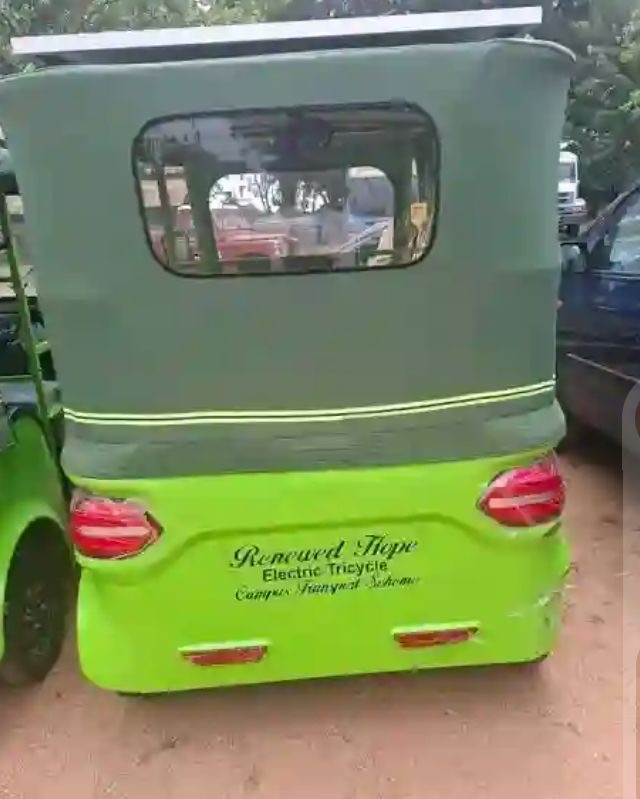 By Israel Bakare
New things come with new challenges. That is the reality of campus transportation: we pay, and perhaps, with persistence and patience, all odds can be overcome.
We thank you for the donation that renewed hope for students’ welfare. A donation like this is highly appreciated, but its real value should be measured by how much it reinforces student welfare.
The old system had its challenges, which gave students and their union headaches. There were no queues and enough buses, but fares fluctuated alongside fuel prices, and the buses had no rare, distinctive qualities or standards for student transport. For safety, and to make campus more official and in keeping with its beauty; as people say, the most beautiful campus, we were told tricycles would be available for emergencies. Now, however, the renewed hope of getting a tricycle for emergencies and safety has become a scarce commodity.
The old system had its flaws, but at least the transportation conversation was largely about fuel. It performed the functions expected of it, rather than merely carrying a name.
For learning and culture, sport and struggle, we sing. Besides songs and pledges, the reality of learning comes with the struggle of student transportation, especially the rush to get to early classes under the old system. In this system, bikes make lateness more avoidable and trekking less burdensome for some students.
We sing for learning, culture, sport and struggle, but perhaps transportation has become another examination students must pass before getting to their lecture halls.
New buses arrived on campus with the aim of renewing hope for students’ welfare. Perhaps the expectation was that students would finally enjoy some relief from movement difficulties. What better way to demonstrate hope than to make transportation on campus easier? What better way to experience renewal than to experience a new transformation?
We celebrate the arrival of a new transport system, but was its management properly and effectively planned before issues affecting student welfare could escalate?
One might wonder whether the same care that went into celebrating the arrival of the transport was given to planning how many students it could actually carry.
The renewed-hope transport comes with new challenges we are paying for. Months after its arrival, one cannot help but wonder whether hope was delivered alongside enough seats.
The arrival of the new buses, alongside changes to the existing transport management, has done little to eliminate that struggle. Instead, students are left competing for limited spaces, standing in lengthy queues and, to make matters worse, paying higher ticket fares.
Renewed hope, while students queue to experience the reality of that hope. Perhaps the hope students are looking for should actually begin with additional seats.
Now, with OAU admitting more students, the concerns become even more alarming. If the previous transport system could not sustain the previous student population, what will happen when the student population increases without a corresponding expansion of the transport system?
For students rushing to early-morning classes, the struggle is about more than getting a bus. It is also about the stress and mental-health effects this will have on students. Beyond the longstanding discomfort, including for students with physical disabilities, it is about whether they will arrive in class on time and avoid the consequences of lateness.
For many students, their first examination of the day may no longer begin in the hall, but at the bus stop, where patience is tested before their academic work begins.
Perhaps Renewed Hope was meant to be more than a name on a transport service. Perhaps it was supposed to represent a better movement experience. But hope, as it turns out, does not reduce long queues, add more seats or make ticket fares more affordable.
It is also worth asking whether campuses should become convenient platforms for names and branding in a way that does not properly address the welfare of the students who occupy them.
Before launching a new system, should we not first ensure that student welfare is properly planned for?
This transportation donation is highly appreciated, but its real value should be measured by the relief it provides, not merely by the name and ceremony that came with it.
Students do not need transportation that only carries a message of hope. They need transportation that actually delivers it.


Comments
Post a Comment